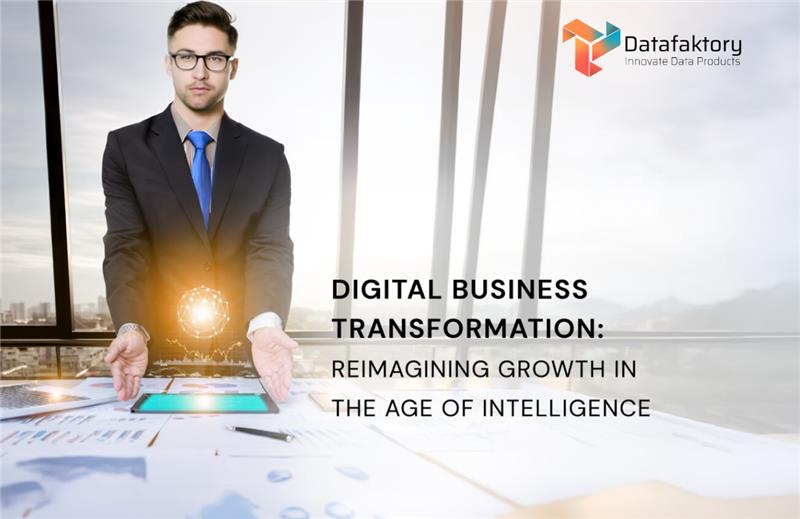
Digital Business Transformation is the strategic adoption of digital technologies and data-centric models to improve business processes, create new value streams, and deliver next-gen customer experiences.
It’s not just about “going digital.” It’s about transforming your entire business DNA—from operations and supply chains to customer engagement, employee experience, and decision-making.
We start with your current tech stack, workflows, and business goals. Our experts perform a deep-dive audit to uncover inefficiencies and untapped opportunities.
Using your data, market dynamics, and performance insights, we craft a tailored roadmap aligned to your KPIs—whether it’s growth, optimization, or innovation.
From AI and automation to cloud integration, we implement scalable technologies that unlock speed, agility, and resilience.
True transformation is cultural. We support people enablement, agile mindset training, and organizational alignment to embed digital thinking at every level.
Digital business transformation is an essential. It’s how companies stay resilient, stay relevant, and drive real growth. At Datafaktory, we bring deep industry know-how and a data-driven approach to help you lead with confidence in a rapidly changing world.
Digital transformation is the process of using digital technologies, data, automation, and AI to improve how a business operates, serves customers, and grows. It is about fundamentally changing how an organization works, makes decisions, manages information, and creates long-term value.
A consulting partner helps companies move from technology confusion to practical business outcomes. They study existing processes, identify improvement areas, and recommend digital solutions aligned with business goals.
A digital transformation assessment is a structured review of a company’s current digital maturity. It evaluates how effectively the business uses technology, data, workflows, automation, and digital systems across departments
Digital transformation helps businesses automate repetitive tasks, improve productivity, leverage real-time data, and deliver better customer experiences — while enabling leadership to make faster, data-backed decisions.