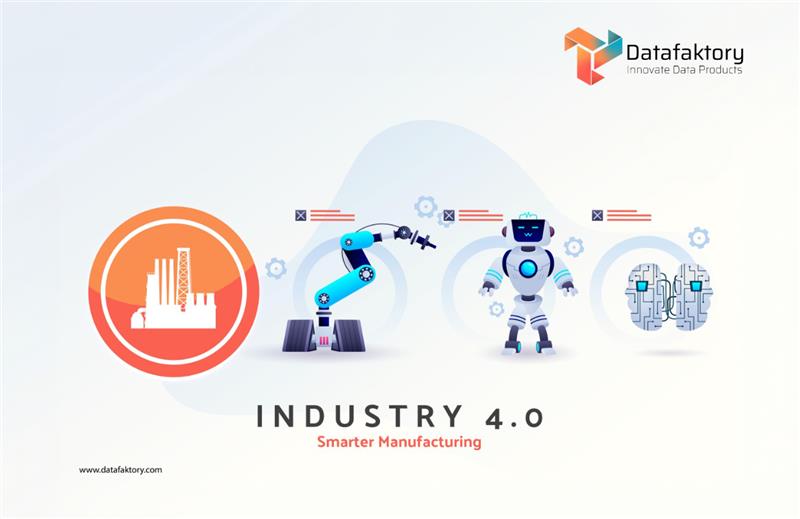
Industry 4.0 refers to the integration of cyber-physical systems, the Internet of Things (IoT), artificial intelligence (AI), and cloud computing in manufacturing and industrial operations. Unlike previous industrial revolutions that were driven by mechanization, electricity, and computerization, Industry 4.0 is characterized by real-time data exchange, predictive analytics, and autonomous systems.
Organizations that embrace Industry 4.0 experience several advantages, including:
The adoption of Industry 4.0 varies across industries, depending on factors such as technological readiness, workforce skills, and investment in digital transformation. Companies typically progress through different maturity stages:
Despite the significant benefits, businesses face several challenges in Industry 4.0 adoption, including:
Industry 4.0 is continuously evolving, with innovations such as 5G connectivity, quantum computing, and AI-driven automation shaping the future of manufacturing. Companies that proactively adopt these technologies will gain a competitive edge, improve efficiency, and unlock new growth opportunities.
As businesses strive for digital transformation, Industry 4.0 serves as a catalyst for innovation and long-term sustainability. At Datafaktory, we help organizations navigate this journey, offering insights and solutions to accelerate Industry 4.0 adoption and maturity.
To learn more about how Industry 4.0 can drive your business forward, visit Datafaktory’s Industry 4.0 Adoption and Maturity.
Digital transformation is the process of using digital technologies, data, automation, and AI to improve how a business operates, serves customers, and grows. It is about fundamentally changing how an organization works, makes decisions, manages information, and creates long-term value.
A consulting partner helps companies move from technology confusion to practical business outcomes. They study existing processes, identify improvement areas, and recommend digital solutions aligned with business goals.
A digital transformation assessment is a structured review of a company’s current digital maturity. It evaluates how effectively the business uses technology, data, workflows, automation, and digital systems across departments
Digital transformation helps businesses automate repetitive tasks, improve productivity, leverage real-time data, and deliver better customer experiences — while enabling leadership to make faster, data-backed decisions.